
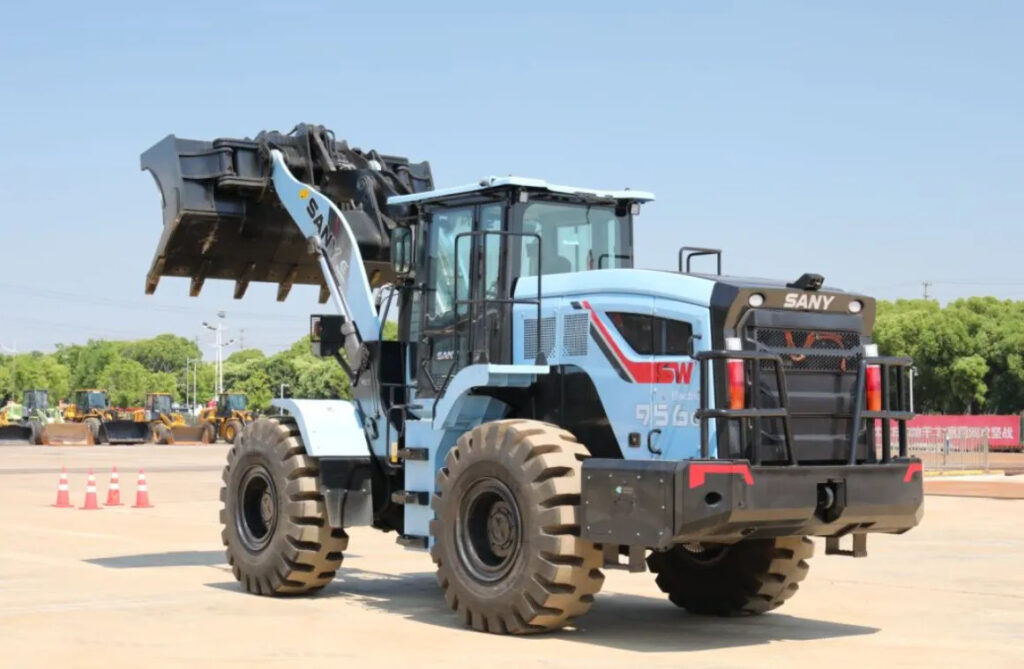
Perth buyers have plenty of loader options. The hard part is choosing a machine that suits your material, your cycle times and the way you run sites in WA. A wheel loader can look similar across brands. The differences show up later in fuel burn, tyre wear, operator fatigue and how quickly you can access parts and support when something goes wrong.
If you’re researching motor wheel loaders Perth operators rely on, this guide covers the practical features to compare before you commit. It’s written for supervisors, plant managers and owner-operators who want predictable performance and long-term value, not surprises after delivery.
At WATM Equipment, we support WA operators with equipment selected for real conditions and backed locally. That includes SANY wheel loaders used across civil, mining support, transport yards and industrial sites where uptime matters.
What “the right loader” looks like on Perth jobs
Value usually comes down to:
- Consistent cycle times without pushing the machine
- Controlled fuel burn across long days
- Predictable wear costs for tyres, edges, pins and bushes
- Operator confidence and visibility
- Reliable support and parts access in WA
You can’t judge that from a spec table alone. You need to compare features that affect day-to-day outcomes.
Step 1: Match the loader to your material and job flow
Before comparing brands, lock in the basics:
- The material you handle most – sand, gravel, rubble, ore, waste or mixed
- Loading method – trucks, hoppers, stockpiles or bins
- Average haul distance and site layout
- Desired bucket capacity and target cycle time
- Whether you need forks, a GP bucket, a high-tip bucket or other attachments
An oversized loader can burn fuel and tyres for no gain. An undersized machine can slow the entire site and work harder than it should.
Step 2: Key features to compare when buying motor wheel loaders in Perth
1) Operating weight, lift geometry and stability
Ask what the loader is designed to do comfortably. Stability matters when loading at height, working on uneven pads or handling heavier material. Compare rated load, tipping load and how the machine behaves with a full bucket at full height.
2) Bucket design, linkage and breakout characteristics
The bucket and linkage setup affect fill factor and cycle time. A loader that fills cleanly in your material will outperform a larger machine that struggles to load efficiently. Compare bucket options, edge types and material retention.
3) Hydraulic response and control
Smooth hydraulics reduce spillage and operator fatigue. They also help newer operators maintain consistent cycles. Compare response under load, smoothness at low-speed movements and whether controls feel predictable across repetitive tasks.
4) Transmission and drivetrain suitability
Productivity and wear are often decided here. Compare the drivetrain setup based on stop-start loading cycles versus longer travel hauls, how the machine shifts under load and how it manages traction on loose or wet surfaces.
Choose a loader that suits your typical cycle, not a generic “do everything” claim.
5) Fuel efficiency in real operating conditions
Fuel burn depends on load, layout, operator habits and how hard the machine works to achieve cycle time. Don’t just ask for a headline figure. Ask what consumption looks like in your application, what features support fuel control and how operator behaviour affects efficiency.
6) Tyres, rims and ground condition fit
Tyre wear is a significant WA ownership cost. Compare tyre size options, tread suitability and supplier recommendations for your ground conditions. On abrasive sites, tyre selection and pressure management directly affect operating cost.
7) Service access and routine maintenance
If servicing access is poor, maintenance gets delayed. Delays increase the risk of avoidable breakdowns. Compare access to filters and daily check points, how cleanly servicing can be completed on site and what a standard service interval involves.
8) Parts availability and local support in WA
This is the difference between a minor issue and lost production. Clarify what parts are held locally, realistic lead times for common wear items and how service bookings are prioritised during peak periods. Ask what field support looks like if you’re operating outside Perth.
When you buy motor wheel loaders in Perth, you’re also buying the support system behind the machine.
9) Cab layout, visibility and operator fatigue
Loader work is repetitive. A well-designed cab, clear sightlines and practical ergonomics reduce mistakes and fatigue across long shifts. Put operators in the seat and get direct feedback. It’s one of the simplest ways to protect productivity.
Pressure-test your shortlist
If you’re buying a loader in Perth, challenge your shortlist with three direct questions:
- Will it hit cycle time targets in our material without being pushed?
- Will it be straightforward and cost-effective to maintain in WA conditions?
- Is local support strong enough to protect uptime over the long run?
If the answer is unclear on any of these, keep comparing.
Lift. Move. Dig.
If you’re comparing motor wheel loaders in Perth, speak with the WATM Equipment team. We’ll help you match the right loader to your material, site layout and ownership expectations, then back it with local support built for WA conditions.